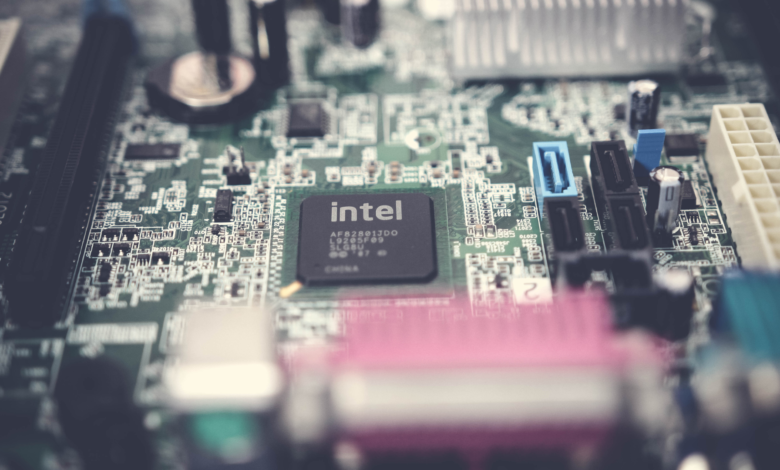
The seanix technology intel ca810e motherboard represents an important chapter in personal computing history. During the late 1990s and early 2000s, motherboards based on Intel’s 810E chipset powered thousands of office computers, educational systems, and home PCs. While modern hardware has far surpassed its capabilities, the Intel CA810E remains a fascinating piece of technology for collectors, retro gaming enthusiasts, and anyone interested in the evolution of computer hardware.
Built around Intel’s 810E chipset, the CA810E offered reliable performance, integrated graphics, and support for Intel Pentium III and Celeron processors. At a time when affordability and stability were key priorities, this motherboard delivered a balanced platform for everyday computing tasks.
Overview of the Intel CA810E Motherboard
The Intel CA810E is a Micro-ATX motherboard designed for Socket 370 processors. It was developed to support Intel’s Pentium III and Celeron processor families while offering integrated graphics and essential connectivity features for mainstream users.
The motherboard became popular among OEM manufacturers, including Seanix Technology, which used it in a variety of desktop computer systems. Its combination of reliability and affordability made it a preferred choice for educational institutions and small businesses.
Key Specifications
The Intel CA810E motherboard includes several features that were considered advanced for its time:
Processor Support
The motherboard supports:
- Intel Pentium III processors
- Intel Celeron processors
- Socket 370 architecture
Processor speeds varied depending on the installed CPU model, allowing users to choose configurations based on their performance requirements.
Chipset
The motherboard is built on the Intel 810E chipset, which integrated graphics and memory management functions into a single platform. This helped reduce manufacturing costs while maintaining stable performance.
Memory Support
Key memory specifications include:
- PC100 SDRAM support
- Two DIMM slots
- Maximum memory capacity of 512 MB
At the time of release, 512 MB of memory was considered more than sufficient for office productivity and general computing tasks.
Expansion Options
The CA810E includes PCI expansion slots that allow users to install additional hardware such as:
- Sound cards
- Network adapters
- Graphics cards
- Storage controllers
These expansion capabilities provided flexibility for users seeking additional functionality.
Integrated Graphics Capabilities
One of the defining characteristics of the Intel 810E chipset was its integrated graphics solution. Unlike many earlier systems that required dedicated graphics cards, the CA810E included built-in graphics support.
Although integrated graphics performance was modest by modern standards, it was adequate for:
- Office applications
- Internet browsing
- Educational software
- Basic multimedia playback
The integrated design also helped reduce overall system costs, making computers more affordable for consumers and businesses.
Connectivity Features
The motherboard provided several standard connectivity options, including:
- USB ports
- Serial ports
- Parallel ports
- PS/2 keyboard and mouse connections
- Ethernet networking support
- Audio input and output ports
These features ensured compatibility with the most common peripherals and devices of the era.
Performance in Its Era
When the Intel CA810E was introduced, users primarily focused on tasks such as word processing, spreadsheets, email, and web browsing. For these workloads, the motherboard delivered dependable performance.
Systems based on the Pentium III processor and CA810E motherboard were widely used in:
- Schools
- Government offices
- Small businesses
- Home computing environments
The motherboard’s stability and Intel’s strong reputation contributed to its widespread adoption.
Why Retro PC Enthusiasts Still Like the CA810E
Despite being decades old, the Intel CA810E continues to attract interest from retro computing enthusiasts.
Vintage Gaming
Many users build retro gaming systems using Pentium III-era hardware to experience classic Windows 98 and early Windows XP games on original equipment.
Hardware Preservation
Collectors often seek motherboards like the CA810E to preserve an important period in computing history.
Educational Value
The motherboard provides insight into how desktop computers evolved before the rise of modern multi-core processors and high-speed memory technologies.
Limitations by Modern Standards
Although the Intel CA810E was impressive during its time, it faces obvious limitations today:
- Limited memory capacity
- Older SDRAM technology
- Integrated graphics with basic capabilities
- Lack of modern interfaces such as SATA and PCIe
- Support for legacy operating systems
These limitations make it unsuitable for modern applications but valuable for historical and educational purposes.
The Legacy of the Intel CA810E
The Intel CA810E represents an era when manufacturers focused on creating affordable and reliable computing platforms for the mass market. Its integrated design helped reduce system costs while making personal computers more accessible to consumers.
As technology evolved, newer chipsets introduced faster processors, advanced graphics capabilities, and larger memory capacities. However, the CA810E remains a significant milestone in motherboard development and a reminder of how rapidly computer technology has advanced.
Conclusion
The Seanix Technology Intel CA810E motherboard played an important role in the early desktop computing era. Powered by Intel’s 810E chipset, it delivered dependable performance, integrated graphics, and support for Pentium III and Celeron processors. While it no longer meets the demands of modern computing, it continues to hold value among collectors, retro gaming enthusiasts, and technology historians.
Its legacy demonstrates how innovative motherboard designs helped bring affordable computing to millions of users worldwide and laid the foundation for the advanced systems we use today.
Frequently Asked Questions (FAQs)
What is the Seanix Technology Intel CA810E?
The Seanix Technology Intel CA810E is a Micro-ATX motherboard based on Intel’s 810E chipset and designed for Socket 370 processors.
Which processors are compatible with the CA810E?
It supports Intel Pentium III and Intel Celeron processors using the Socket 370 platform.
How much RAM does the Intel CA810E support?
The motherboard supports up to 512 MB of PC100 SDRAM memory.
Does the CA810E include integrated graphics?
Yes, the Intel 810E chipset includes integrated graphics functionality.
Is the Intel CA810E suitable for modern computing?
No, the hardware is outdated for modern workloads but remains useful for retro computing and vintage gaming projects.
Why is the CA810E popular among collectors?
Collectors appreciate its historical significance, compatibility with classic operating systems, and role in early 2000s desktop computers.
What form factor does the CA810E use?
The motherboard uses a Micro-ATX form factor, making it suitable for compact desktop systems.